Rent Aerial Work Platforms and Construction Machinery in Neuchatel
Neuchatel lies between the lake and the Jura hillside, and this location shapes every construction site in the city. Anyone renting aerial work platforms and construction machinery here is working either in the manufacturing and laboratory buildings of the microtechnology sector, on the lakeside structures and harbour facilities, or on the yellow sandstone fabric of the old town — three tasks with very different requirements for drive type, ground contact area, and equipment cleanliness. Luibl rents aerial work platforms, telehandlers, excavators, and forklifts to industrial service providers, building services and ventilation companies, stonemasonry and facade firms, and construction companies in Neuchatel and the rest of the canton. We narrow down the models based on conditions on site: access route, ground load capacity, free space, and required height.
Microtechnology: Working in Controlled Areas
The precision industry around Neuchatel manufactures in areas where particle contamination, temperature, and humidity are monitored. For maintenance work on ventilation and climate control systems, on media and clean-air lines, on lighting and ceiling structures, this means requirements that should be clarified before ordering equipment: which drive type is approved, how clean the tyres must be, which route leads to the work area, and who accompanies the machine through the area.
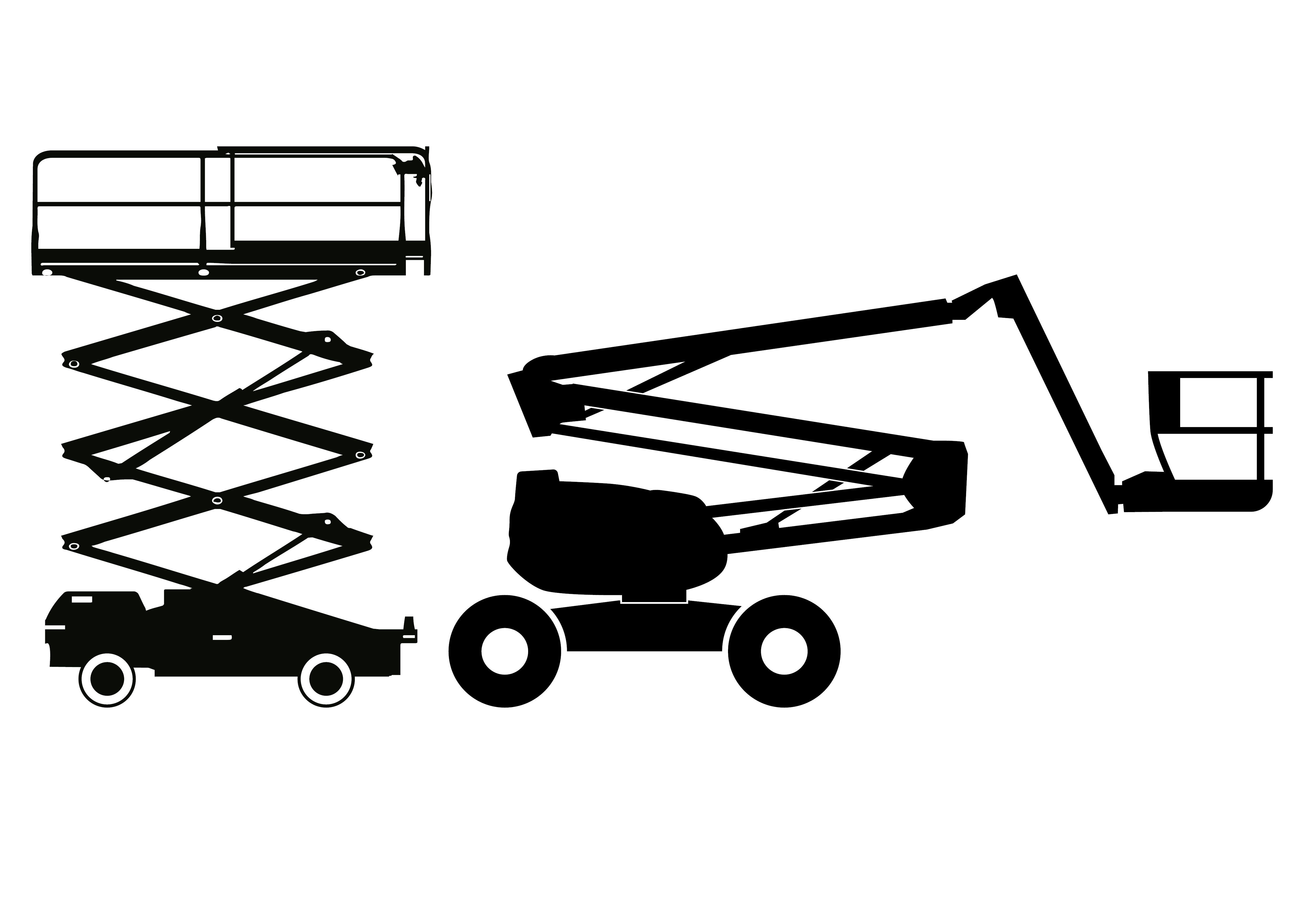
Electrically powered equipment is the standard here. Electric Scissor Lifts cover a working height of 6.30 to 33.00 m and, with basket loads of up to 1,000 kg, offer enough reserve for tools, measuring equipment, and spare parts. In narrow technical corridors, between switch cabinets and over installed machinery, Mast Lifts with 10.00 to 12.65 m are often the only design that still fits through while keeping a small ground contact area. If the basket needs to reach the ceiling over a system or an enclosure, Electric Articulating Boom Lifts with 10.89 to 28.00 m get you there without the machine itself having to drive over the system.
The second point is time. Maintenance windows in precision manufacturing are short and often fall during operational breaks. Whoever has the equipment ready, set up, and the operators briefed before the window begins gains the decisive hours. Let us know the window early, and we will schedule delivery and collection accordingly.
Lakeside, Harbour, and Sandstone Old Town
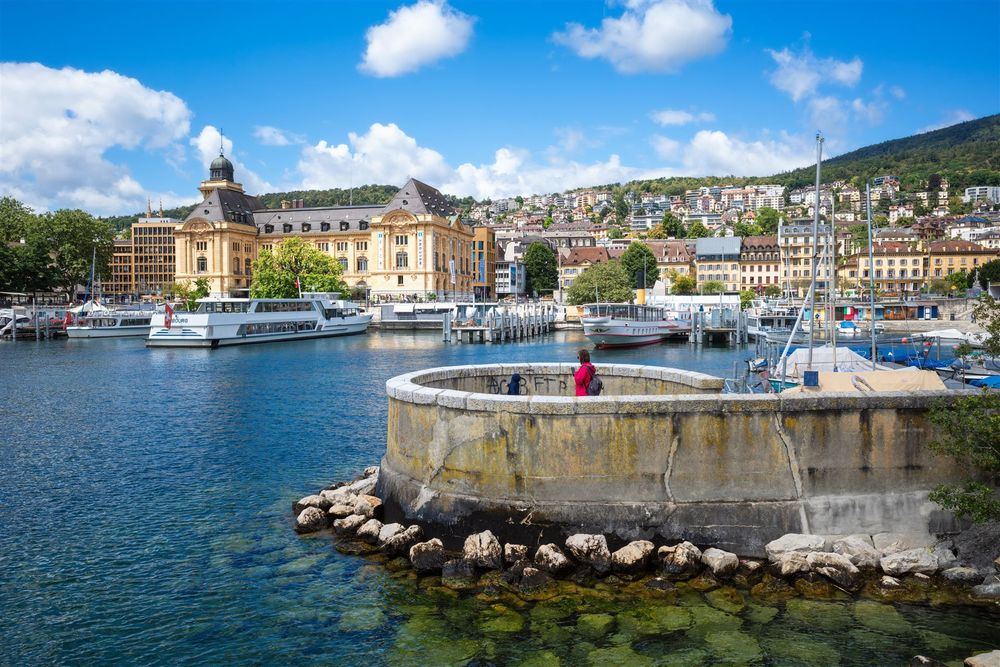
The second strand lies at the water and in the historic core. Along the lakeside and at the harbour facilities, the work involves waterfront structures, jetties, railings, lighting, and tree care along the promenades. The set-up areas are narrow and are often squeezed between the lake, the railway line, and the hillside; there is no room to turn, and the ground alternates between paved paths, grass pavers, and filled material. Spider Lifts with a working height of 13.00 to 39.50 m have the advantage there, because they can reach the set-up point over soft ground and distribute the load. Where a paved surface is available but the target is to the side, Articulating Boom Lifts with up to 48.15 m work from a distance.
In the old town, the material dictates the caution required. The yellow sandstone of the historic buildings is soft, weathers at the edges, and tolerates neither the basket bumping against it nor pressure against the facade. Joint repair, stone replacement, cornice work, and maintenance of roof structures require equipment that can be positioned with precision and whose basket can be guided cleanly along the facade. Added to this are the usual constraints of the historic core: narrow lanes, cobblestone surfaces, built-over areas, delivery time restrictions, and pedestrian traffic. Load-distribution plates under the outriggers are standard here, and cordoning off the work area belongs in the planning before the equipment arrives.
The Rental Fleet in Figures
| Class | Working height | Basket load |
|---|---|---|
| Electric Scissor Lifts | 6.30 – 33.00 m | 227 – 1,000 kg |
| Diesel Scissor Lifts | 9.70 – 34.00 m | 363 – 1,134 kg |
| High-Rack Scissor Lifts | 18.50 – 33.00 m | 450 – 1,000 kg |
| Articulating Boom Lifts | 10.89 – 48.15 m | 150 – 450 kg |
| Telescopic Boom Lifts | 14.00 – 56.90 m | 227 – 454 kg |
| Mast Lifts | 10.00 – 12.65 m | 200 kg |
| Spider Lifts | 13.00 – 39.50 m | 200 – 400 kg |
Lifting Technology, Earthworks, and Handling on the Slope
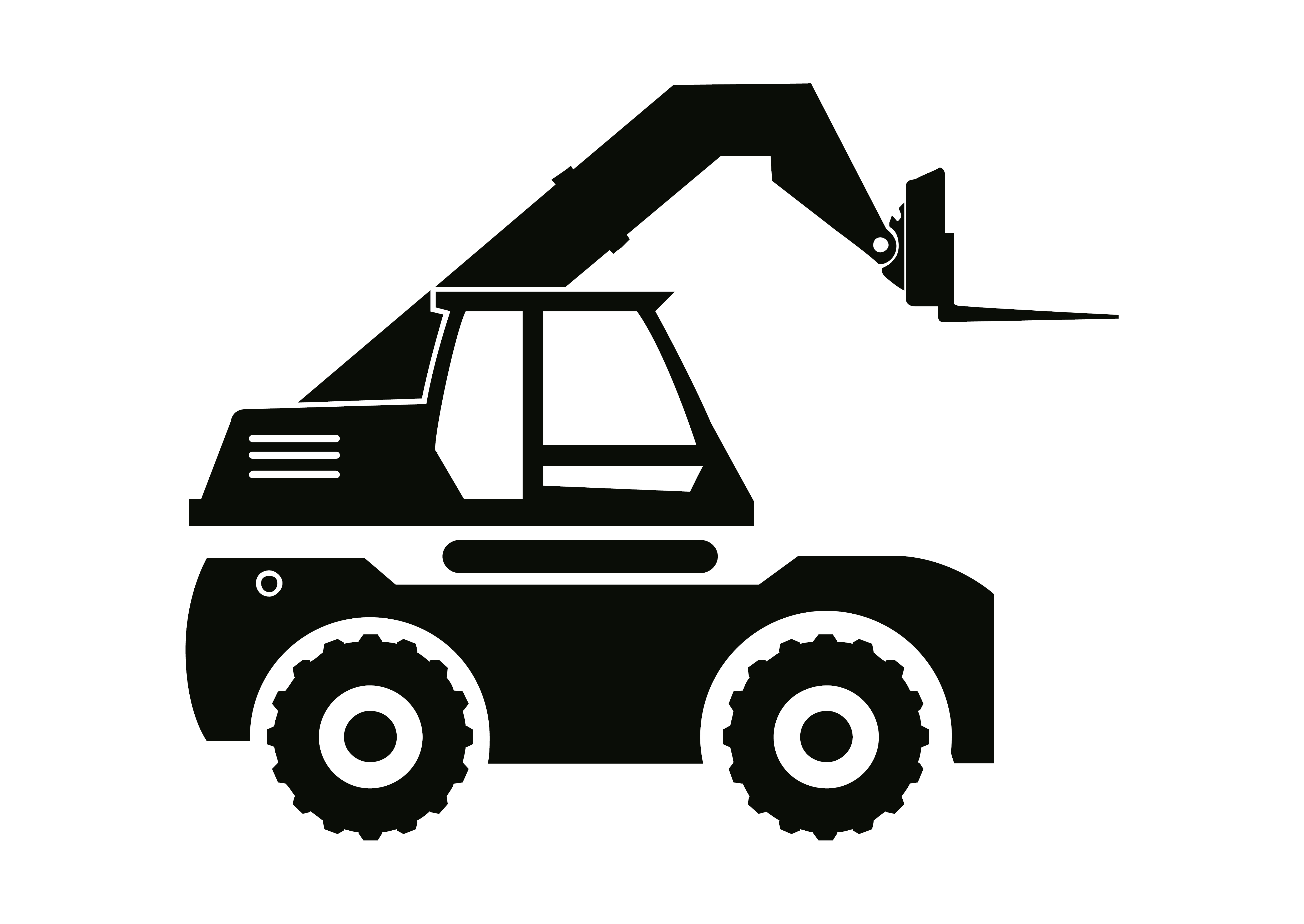
The topography between the lake and the Jura hillside also brings the ground-based equipment into play. Telehandlers in fixed design cover a lift height of 4.30 to 18.80 m at 1.25 to 25 t load capacity and place material over retaining walls, embankments, and existing structures — wherever a vehicle cannot reach the installation point. If the machine has to stay in place and cannot manoeuvre, Roto Telehandlers with 15.42 to 38.90 m and 4 to 8 t deliver the reach from a single set-up position.
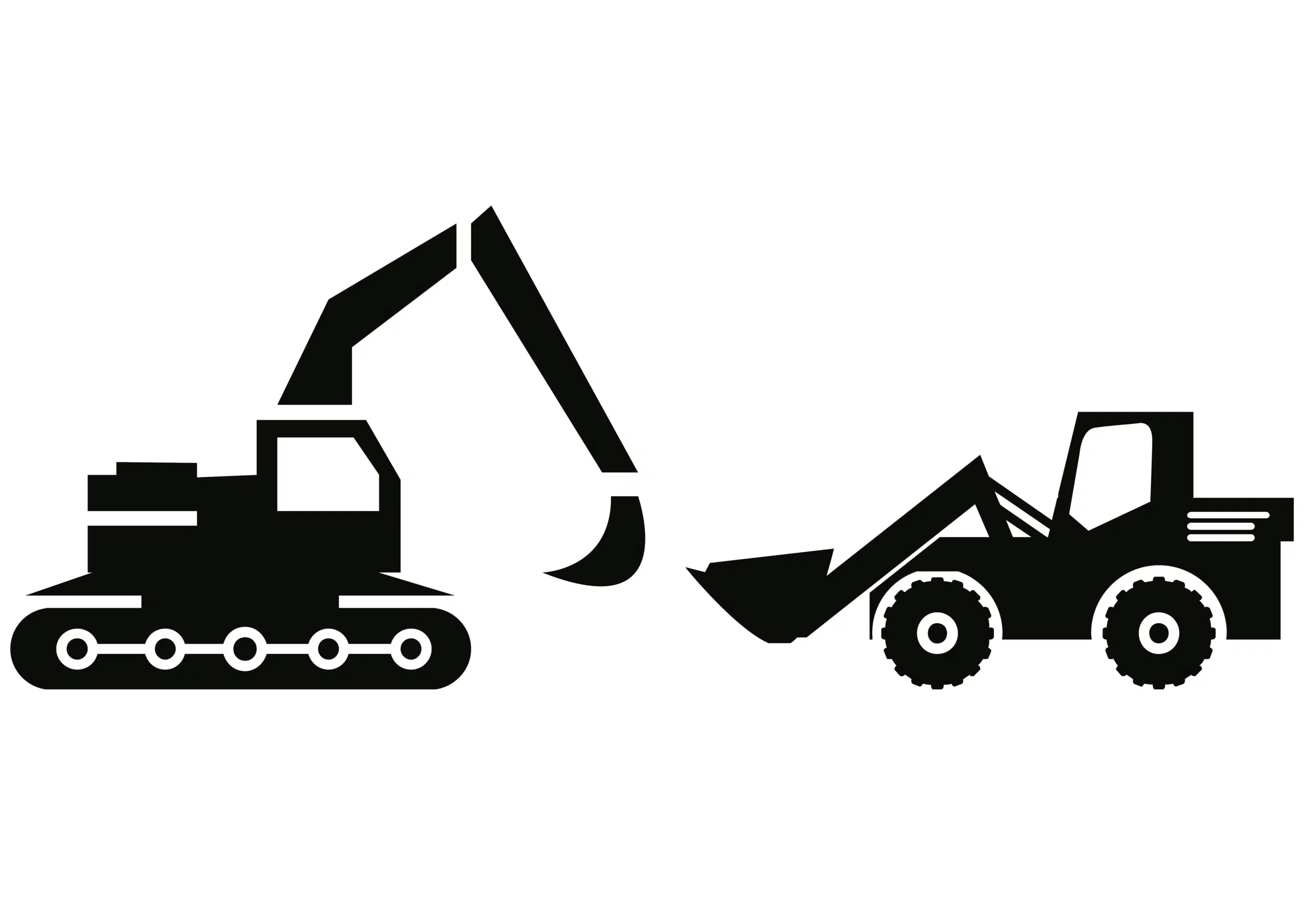
In pipeline and civil engineering, the fleet of Excavators from 1.8 to 30 t operating weight stands ready; in the tight confines of the old town and for house connections, the lower end of this range matters most. For handling in warehouses and storage, Electric Counterbalance Forklifts and High-Lift Stackers with 2.70 to 5.50 m lift height and 1.2 to 2.0 t load capacity round out the range; forklifts overall are available from 3 to 16 t.
Operator Obligations under Swiss Law
Swiss occupational safety regulations apply to work carried out in Neuchatel. The legal framework is formed by the Labour Act and its associated ordinances, with the Ordinance on the Prevention of Accidents and Occupational Diseases (VUV) at its centre. SUVA carries out enforcement and supervision, and the EKAS guidelines set out the requirements in detail. SN EN 280 is the governing standard for the recurring inspection of mobile elevating work platforms.
Responsibility is clearly divided: Luibl hands over the equipment with a valid inspection certificate, CE documentation, and operating instructions. The renter carries out the risk assessment, briefs the operators, specifies the personal protective equipment, and keeps a rescue plan for the basket ready. The visual and functional check before work begins is the operator's duty. If your team is working in a controlled manufacturing area, the site operator's requirements on access, cleanliness, and escort also apply — and take precedence, being stricter.
Transport to Neuchatel
We organise transport from Passau with our own fleet. Neuchatel itself is reachable via the motorway and the lakeside axis; it gets difficult once inside the city. Between the lake, the railway line, and the hillside, the streets are narrow, gradients and tight bends limit vehicle size, and in the old town area delivery time restrictions and bollard regulations are added on top. Before scheduling, clarify where a low-loader is allowed to stop, which clearance heights lie along the route, and which stretch the machine will then cover under its own power. For projects spread across the canton, we coordinate operations in Neuchatel and the Jura through a single point of contact; delivery, equipment changes, and collection then run as one process.
Frequently Asked Questions
Which equipment is allowed into a controlled manufacturing area?
That is determined by the site operator. As a rule, electrically powered machines with non-marking tyres and a cleaned undercarriage are required, often together with an escort along the route through the area. Tell us the requirements from your clearance, and we will tell you which models meet them. Access rules and the assessment of the area remain the operator's responsibility.
How does a platform reach a ceiling line above an installed system?
If the area beneath the work location is occupied, a scissor lift will not help — what is needed is equipment with outreach to the side. Electric Articulating Boom Lifts with 10.89 to 28.00 m guide the basket over the system while the machine stands on free space alongside it. To select the right model, we need the ceiling height, the horizontal distance to the work location, and the size of the available set-up area.
Is sandstone on the facade a problem for aerial work platforms?
The soft yellow sandstone of Neuchatel's old town cannot tolerate pressure or contact from the basket. Work at a distance from the facade and use lateral outreach instead of approaching it directly. Buffers on the basket, calm operation, and a movement sequence agreed in advance matter more than extra height. Clarify the condition of the facade and any heritage-protection requirements before starting.
Which platform fits the narrow areas along the lakeside?
Along the shore, paved paths, grass pavers, and filled ground alternate over short distances. Spider Lifts with 13.00 to 39.50 m working height reach the set-up point there, because the tracked undercarriage distributes the load and keeps even soft sections passable. Where a load-bearing surface is available and the target is to the side, the Articulating Boom Lift with up to 48.15 m is the alternative.
How can a short maintenance window be used most effectively?
By having the machine already in place when the window begins. It has proven effective to deliver in advance, set up the equipment, and brief the operators, so that the working time remains fully available for the work itself. Also check whether several trades can use the same machine one after another — that saves a second machine and space in the area. Let us know the start and end of the window, and we will plan delivery and collection accordingly.
Which design suits your job? The overview Rent a lifting platform – all platform types at a glance explains scissor lifts, articulating and telescopic boom lifts, mast, spider and truck-mounted lifts and shows what the rental price depends on.